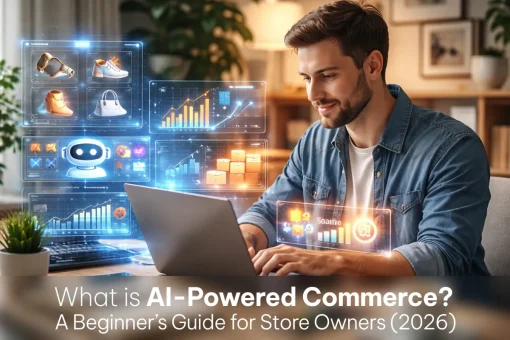


The Future of Online Shopping: AI-Powered Chat for eCommerce Stores


Online shopping has evolved dramatically over the past decade. What once involved simple storefronts and product grids has transformed into dynamic, interactive, and hyper-personalized customer journeys. One of the key drivers of this shift is AI-powered chat for eCommerce a technology that’s changing the way customers interact with eCommerce brands in real time. No longer a novelty, AI chat has become a strategic tool that not only enhances customer service but also directly contributes to sales, retention, and long-term brand loyalty.
In 2025, eCommerce platforms like Shopify, WooCommerce, and BigCommerce are no longer asking if they should implement chatbots—but how to do it in the most effective and scalable way. For businesses in the U.S. and globally, integrating AI chat solutions is now essential to remaining competitive in a saturated market.
What Is AI-Powered Chat and Why Does It Matter?
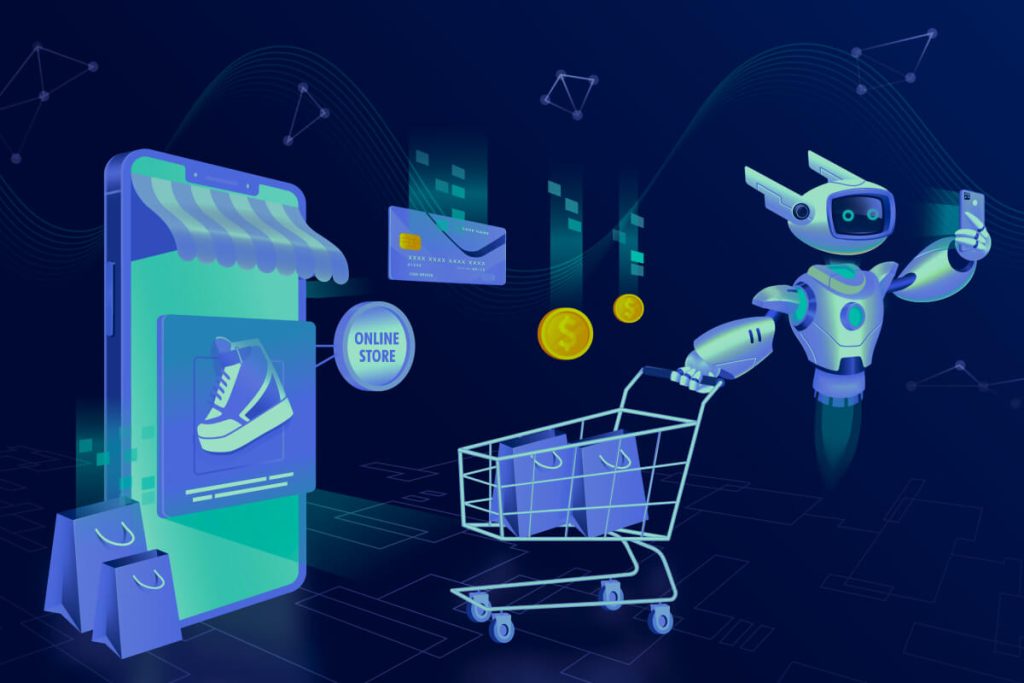
AI-powered chat refers to software that uses machine learning and natural language processing (NLP) to simulate human-like conversations. Unlike traditional live chat that requires a support agent, AI chat can work independently — providing instant responses, guiding users through the site, and even making product recommendations.
According to a recent report by Statista, the global chatbot market is expected to reach $1.25 billion by 2025, with a major share going to retail and eCommerce. Consumers today expect instant responses — and AI delivers that 24/7, without delays or downtime.
Key Benefits of AI Chat for eCommerce Websites
The value of AI chatbots goes beyond customer support. Here’s how they’re shaping the future of online eCommerce shopping:
1. 24/7 Instant Customer Support
AI chatbots can answer common questions at any hour — reducing response time from hours to seconds. Whether it’s asking about return policies, checking order status, or comparing products, users get immediate assistance.
2. Increased Conversion Rates
AI chats guide users toward checkout by answering doubts, offering discounts, and reminding them of items left in the cart. Studies by Tidio show that 35% of consumers are more likely to complete a purchase when they engage with a chatbot.
3. Reduced Cart Abandonment
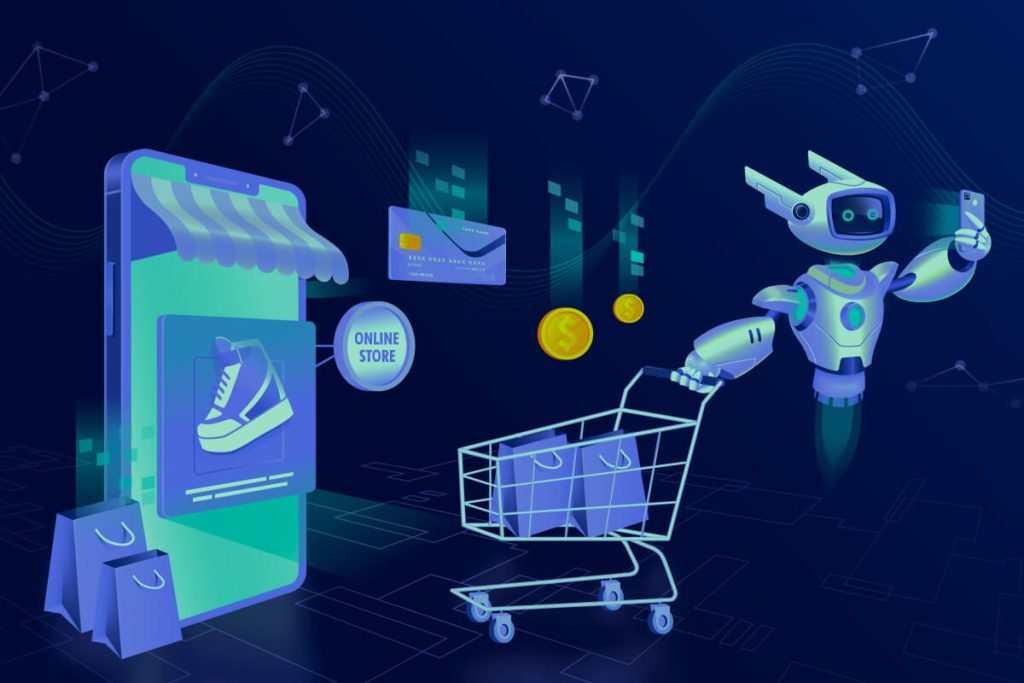
AI-powered follow-ups — like “Still thinking about this item?” or “Can I help with anything else?” — help re-engage users before they exit. Timely interactions can recover lost sales automatically.
4. Personalized Shopping Assistance
AI can recommend products based on browsing history, previous purchases, or even user input. The experience feels more like a personal shopping assistant than a generic FAQ bot.
5. Lower Operational Costs
By handling repetitive queries, AI reduces the need for large support teams. Businesses can scale customer service without scaling headcount.
AI Chat Integration with Shopify, WooCommerce & More
One of the most significant advantages of modern AI chat systems is how easily they integrate with popular eCommerce platforms. On Shopify, apps like Tidio, Re:amaze, and Heyday provide plug-and-play chatbot functionality. These tools come with drag-and-drop interfaces, pre-built scripts, and integrations with Shopify’s product catalog and checkout systems.
WooCommerce users can choose from plugins like ChatBot for WordPress, IBM Watson Assistant, and Crisp, which connect to product feeds, customer profiles, and analytics dashboards. Many of these chat solutions also support third-party services like Zapier, Google Sheets, HubSpot, and Klaviyo—enabling more advanced automation.
Setting up an AI chatbot often takes less than an hour, with no coding required. Businesses can upload FAQs, automate product recommendations, and even connect the chat interface to Facebook Messenger or WhatsApp for multichannel support.
How AI Chat Enhances Mobile Shopping Experiences
With over 70% of eCommerce traffic now coming from mobile devices, having a responsive and efficient mobile shopping experience is essential. AI chat plays a pivotal role here by providing fast-loading, touch-friendly communication interfaces that fit perfectly into the mobile layout.
Rather than navigating through a series of menus, mobile users can simply ask, “Do you have these shoes in size 10?” and get an instant answer. This reduces frustration, lowers bounce rates, and increases engagement time on site.
Additionally, mobile AI chatbots can support features like location-based promotions, push notifications, and integration with mobile payment gateways. The result is a smooth, app-like experience without needing users to download anything extra.
AI Chat as a Sales Assistant: More Than Just Support
The real power of AI chat lies in its ability to act not just as a support agent but as a digital sales assistant. When trained with product knowledge and customer behavior data, a chatbot can answer questions like:
- “Which laptop is best for graphic design?”
- “What’s the difference between these two skincare kits?”
- “Can you suggest a gift under $50?”
This goes far beyond reactive support. It’s proactive, personalized selling—and it works. According to Drift, AI chatbots that handle sales interactions can increase average order value by 18% and shorten the buyer journey by 30%.
For new visitors, this can make all the difference between abandoning the site or becoming a loyal customer.
Overcoming the Limitations of Traditional Live Chat
Live chat has long been a popular support solution, but it has its limitations. It requires human agents, often has working-hour restrictions, and can create bottlenecks when too many users request help at once. AI chat, on the other hand, is scalable, available 24/7, and gets better with every interaction.
That said, combining AI with human support yields the best results. Many successful eCommerce stores adopt a hybrid model, where AI handles first-level interactions, and escalates complex queries to live agents. This not only improves efficiency but also ensures customers feel heard and valued.
The Future of AI Chat: What’s Coming Next
Looking ahead, AI chat will only become more advanced and integrated into the customer experience. We’re already seeing developments in voice-based chat, emotional recognition, multilingual bots, and AR-assisted product previews.
Some AI systems are even beginning to incorporate real-time inventory updates, price prediction algorithms, and predictive lead scoring. In the near future, we’ll likely see AI chat acting as a full-service concierge—managing everything from wish lists to post-sale surveys.
For businesses, this means the time to implement AI chat is now—not after competitors have already leveled up their customer experience specially for eCommerce.
Case Study Insight: How One Brand Grew with AI Chat
Consider a mid-sized U.S.-based cosmetics brand that integrated AI chat into its Shopify store. Within three months, the brand saw:
- A 25% reduction in customer service inquiries
- An 18% increase in conversion rate from chat-assisted sessions
- A 22% uplift in average order value from upsell scripts
The chatbot handled over 4,000 conversations monthly, answered 88% of questions without escalation, and collected over 300 product reviews via automated follow-up.
This real-world example proves that AI chat is not just a tech trend—it’s a growth strategy.
Quote to Remember
“In eCommerce, the brands that win are those that respond in real time, personalize the experience, and scale without losing quality. AI chat makes all of that possible.”
— Ravi Patel, CEO of Strideck Technologies
Final Thoughts: Why AI Chat is No Longer Optional
AI-powered chat is transforming how online businesses engage with their customers. It delivers speed, accuracy, personalization, and scalability—all critical in today’s fast-paced digital economy. For eCommerce brands, AI chat is no longer a luxury feature—it’s a core component of a competitive strategy.
As online shoppers become more demanding and technology more accessible, AI chat is set to become the backbone of customer interaction across every successful online eCommerce store.
At Strideck Technologies, we help businesses implement intelligent chat solutions tailored to their platform, audience, and growth goals. From concept to deployment, we ensure your AI chatbot enhances—not replaces—the human touch.
Ravi Patel
Ravi Patel leads Strideck with a focus on innovation and technical excellence. As CEO & CTO, he drives the company’s vision, ensuring that cutting-edge solutions and strong leadership pave the way for growth and client success.